Bucharest with kids: is it worth visiting?
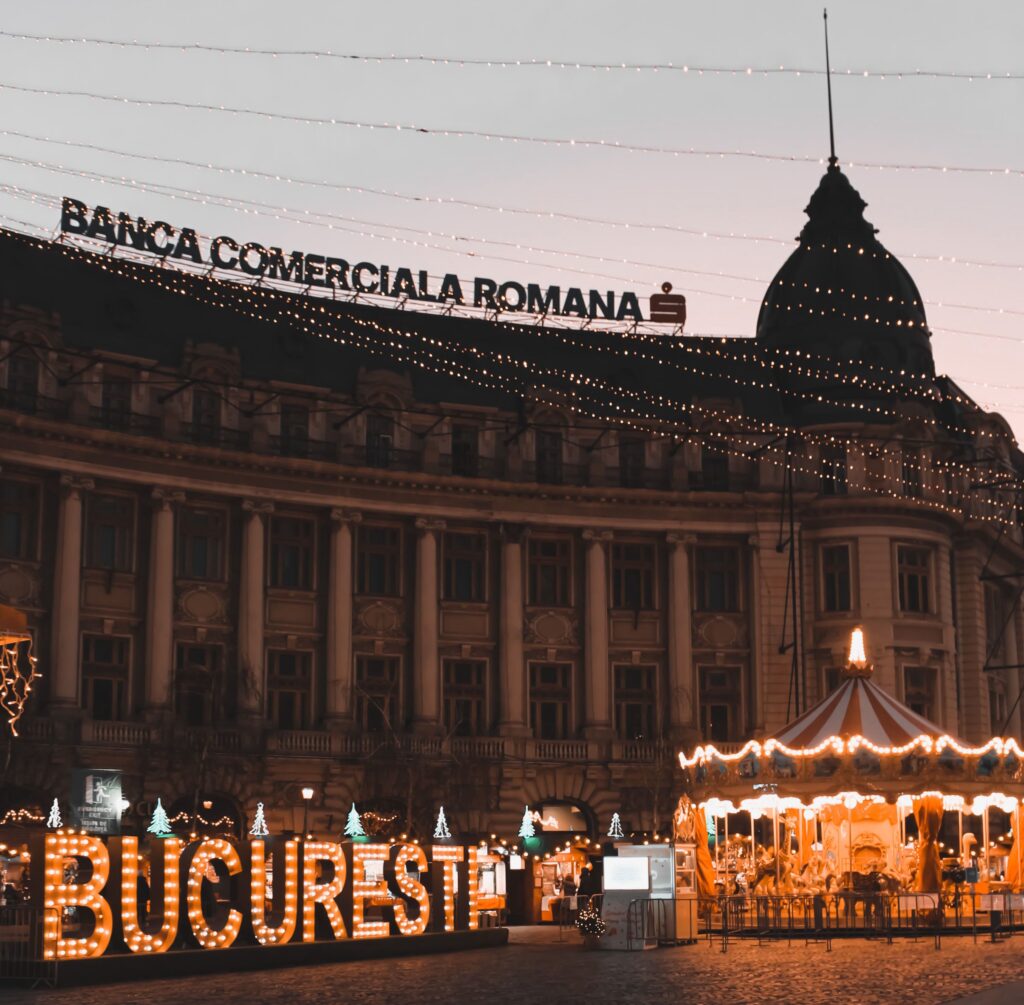
- Bucharest is worth visiting with kids, and the families who love it are the ones who plan by zone, stay central, book timed-entry attractions in advance, and accept that they will use taxis liberally. It is not a city that hands you a perfect family day. It is a city that gives you an unusually good one for a low price, provided you have done twenty minutes of homework first. That homework is what the rest of this blog is for.
Planning a trip to Bucharest but don’t know what neighborhood to choose for your stay?
I have written a guide about best places to stay in Bucharest with kids.
Key takeaways
- Yes, Bucharest is worth visiting with kids — but it rewards planning more than most European capitals.
- It is one of Europe’s safest and cheapest capitals, with huge free parks and unusually good interactive museums.
- The main drawbacks are heavy traffic, uneven pavements, and attractions spread across the city — not a lack of things to do.
- Best ages: 4–12. Toddlers do fine with the right stroller strategy. Teens need a Transylvania day trip to stay engaged.
- Best time to go: May–June or September. July and August regularly hit 30–35°C, which is exhausting with young children.
- Ideal trip length: 3 full days, or 4–5 if you add a day trip.
Is Bucharest worth visiting with kids?
Yes. Bucharest is genuinely worth visiting with children, and it is one of Europe’s most underrated family cities. It offers large free parks, hands-on museums, an enormous indoor water park, and very low prices, all in a capital with low violent crime. The trade-offs are heavy traffic, uneven pavements, and hot summers.
The reason so many parents hesitate is that Bucharest has an image problem. Search it and you get communist-era architecture, the Palace of Parliament, and Old Town bar crawls — a city that looks, at a glance, like it was built for adults with strong opinions about brutality.
That image is out of date, and it is the reason this post exists.
Why parents assume Bucharest is “not for kids”
Three myths come up again and again in travel forums and parenting groups:
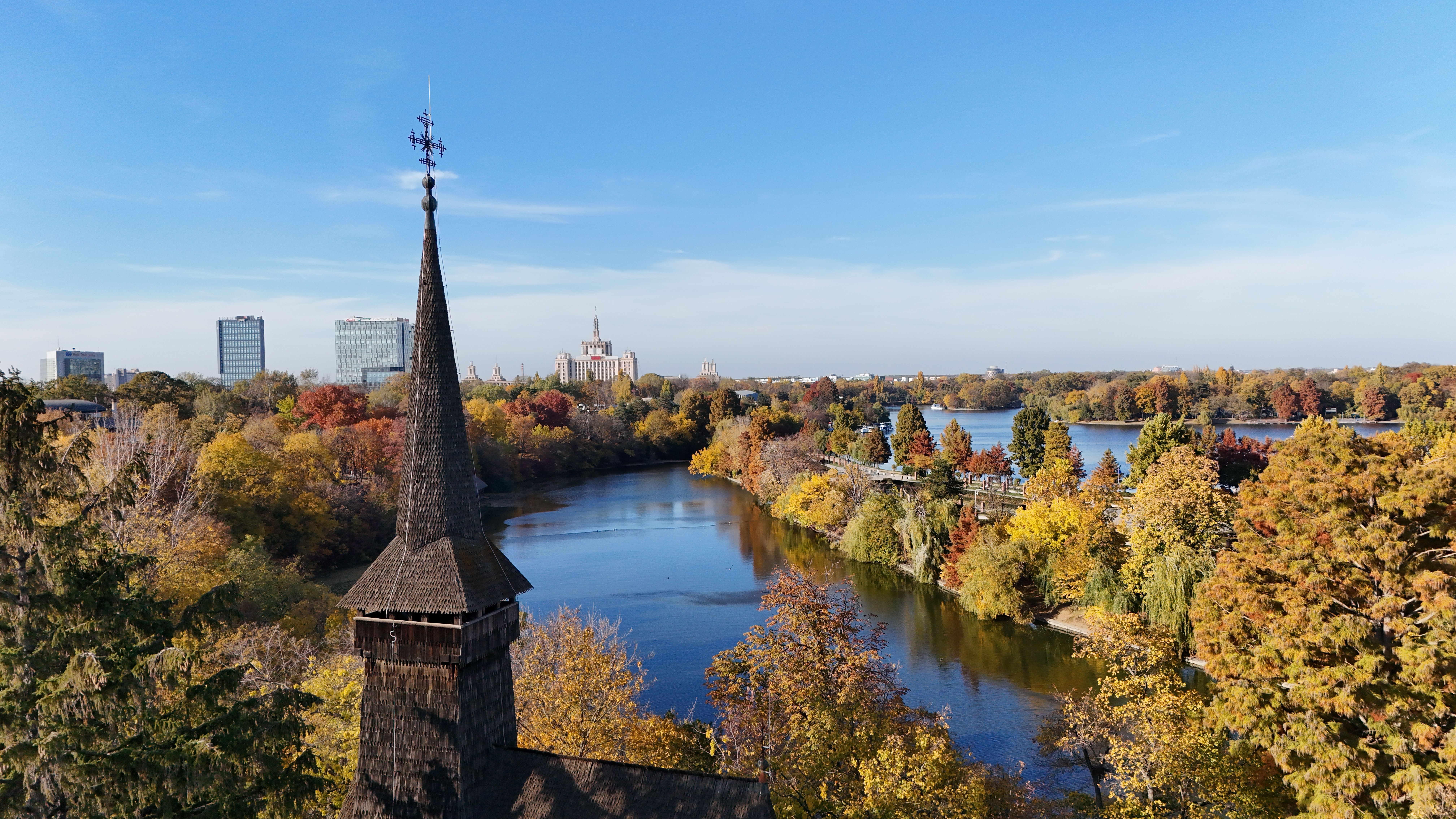
Myth 1: “It’s all grey concrete.” In reality, Bucharest is one of the greenest capitals in Europe. King Michael I Park (Herăstrău) alone wraps around a lake with a walking loop of roughly six kilometers, and the city has several more large parks with modern playgrounds.
Myth 2: “The museums are dusty and don’t allow touching.” This was fair fifteen years ago. Today the city has an interactive Children’s Museum with well over 100 rooms, a hands-on science center, an indoor reptile house, an illusions museum and plenty more other interactive, fun places for families with kids.
Myth 3: “There’s nothing to do if it rains.” Bucharest is arguably a better rainy-day city than a sunny one. Its indoor options are genuinely strong, which is unusual.
The honest case FOR Bucharest with kids
It is cheap enough to change how you travel. Bucharest remains one of the most affordable capitals in Europe. Cheaper meals, cheaper taxis, and cheaper attraction tickets mean families can do the thing that actually saves a trip with children: bail out of a bad plan and take a taxi somewhere better without wincing at the cost.
Green space is abundant and free. King Michael I Park in the north, Cișmigiu Gardens in the center, and Tineretului Park in the south all offer playgrounds, shade, and space to run. Cișmigiu and King Michael I both have seasonal boat rentals — an easy, cheap win with kids aged 3 and up.
The indoor offer punches well above the city’s weight. Therme Bucharest, just north of the city near the airport, is one of Europe’s largest wellness complexes, with a dedicated family zone called Galaxy featuring water-slides, a wave pool, and a toddler splash area. Destiny Park lets kids role-play professions in a miniature city. The Grigore Antipa Natural History Museum delivers dinosaurs. None of these are consolation prizes.
Kids are genuinely welcomed. Romanian culture is warm toward children. Highchairs, flexible kitchens, and patient staff are the norm rather than a favor, and several restaurants have play corners.
It is safe. Violent crime is rare. The realistic risk is pick-pocketing in crowded spots such as Gara de Nord, the Old Town, and busy public transport — the same precautions you would take in Rome or Barcelona.
Ride-hailing removes most friction. Bolt and Uber are cheap, plentiful, and reliable. For families, door-to-door transport is the single biggest quality-of-life upgrade in this city.
The honest case AGAINST Bucharest with kids
I would rather you hear this now than discover it on day one.
Traffic is genuinely bad. Crossing the city at the wrong hour can swallow 45 minutes. This is the number one reason family itineraries here fall apart, and it is why where you stay matters more in Bucharest than in most comparable cities.
Pavements and cobbles are hard on strollers. The Old Town is pedestrianized but heavily cobbled. Elsewhere, pavements can be uneven, and cars parked on the footpath will force you into the road. A flimsy umbrella stroller will suffer. Bring sturdy wheels or a carrier.
Attractions are scattered. Therme, Destiny Park, and the adventure parks sit outside the city proper. You cannot cluster everything into walkable days, so you plan by zone instead.
Summer heat is a real constraint. July and August frequently exceed 30°C and can push toward 35°C. With toddlers, that turns midday sightseeing into damage control.
The Old Town changes character at night. Charming and quiet in the morning; a loud nightlife district after dark. Lovely to visit early, less lovely to sleep in the middle of.
Signage and English vary. Younger staff generally speak good English, and major attractions are fine, but some smaller museums have limited English labeling.
Planning a trip to Bucharest?
I have written a guide about Thinks to do in Bucharest with kids.
Frequently asked questions
Is Bucharest child-friendly? Yes. Bucharest is very child-friendly. Restaurants welcome children and commonly provide highchairs, the city has large free parks with modern playgrounds, and it offers several interactive museums and indoor play centres. The main challenges are traffic and uneven pavements rather than a lack of facilities.
Is Bucharest expensive for a family holiday? No. Bucharest is one of the most affordable capital cities in Europe. Meals, taxis, public transport, and attraction tickets all cost significantly less than in Western European capitals, and many of the city’s best family attractions, including its major parks and playgrounds, are free.
What is the best area to stay in Bucharest with kids? Central areas near Piața Victoriei or Universitate suit most families because they reduce time lost to traffic and put museums within walking distance. The Herăstrău and Floreasca areas suit families who prioritise green space and quiet. Sleeping in the heart of the Old Town can be noisy at night.
Can you visit Bucharest with a stroller? Yes, but choose your stroller carefully. The Old Town is cobbled, and pavements elsewhere can be uneven or blocked by parked cars. A sturdy stroller with larger wheels handles the city far better than a lightweight umbrella model, and a baby carrier is a useful backup.
Is three days enough in Bucharest with children? Yes. Three full days lets you cover a central museum and sightseeing day, a major activity day such as Therme Bucharest or Destiny Park, and a park day. Add extra days if you want a day trip to Transylvania or a salt mine.
Is Therme Bucharest suitable for young children? Yes. Therme Bucharest has a dedicated family area called Galaxy, which includes waterslides, a wave pool, and a shallow splash zone for very young children. Weekday mornings are noticeably quieter than weekends, so families with toddlers should aim for those.
Do people speak English in Bucharest? Generally yes, particularly younger staff and people working at major attractions, hotels, and restaurants. Some smaller museums have limited English labelling, so a translation app is worth having for exhibit signs.
if your children are between 4 and 12, Bucharest is an easy recommendation. Under 4, it works if you slow the pace down. Over 13, it works if you treat Bucharest as a base rather than the entire holiday.
How many days do you need in Bucharest with kids? Three full days is the sweet spot. That covers one central sightseeing and museum day, one big indoor or activity day such as Therme or Destiny Park, and one park and outdoor day. Add a fourth or fifth day if you want a day trip to Transylvania, Dino Parc, or a salt mine.
When is the best time to visit Bucharest with children? May, June, and September are the best months. Temperatures sit in a comfortable range, parks are at their best, and the city is not overheated. Avoid mid-July and August if you have toddlers, since temperatures often exceed 30°C. Winter is cold with early sunsets, but works for ice skating, Christmas markets, and Therme.
Spring is the quiet winner. The parks bloom, the boat rentals open, and you can spend whole days outdoors without hiding from the sun between noon and four.
Is Bucharest safe for families?
Yes. Bucharest is considered one of Europe’s safer capitals, with rare violent crime. The realistic risks are pick-pocketing in crowded areas, uneven pavements, and busy roads with fast traffic. Use Bolt or Uber rather than hailing street taxis, and hold hands near major boulevards.
One practical note: drivers can be assertive, and pedestrian crossings are not always treated as sacred. Teach the “wait for the car to actually stop” rule before you go.
Who should skip Bucharest?
I want to be fair rather than promotional, so here it is plainly.
Skip Bucharest if you want a compact, walk-everywhere city break where every attraction sits within fifteen minutes of your hotel — Bucharest is spread out and traffic-bound. Skip it if you are traveling in a heatwave with a baby and have no plan for indoor time. And skip it if your family’s idea of a holiday is a beach; the Black Sea coast is a two-to-three hour drive away, so build that in deliberately rather than hoping to improvise.